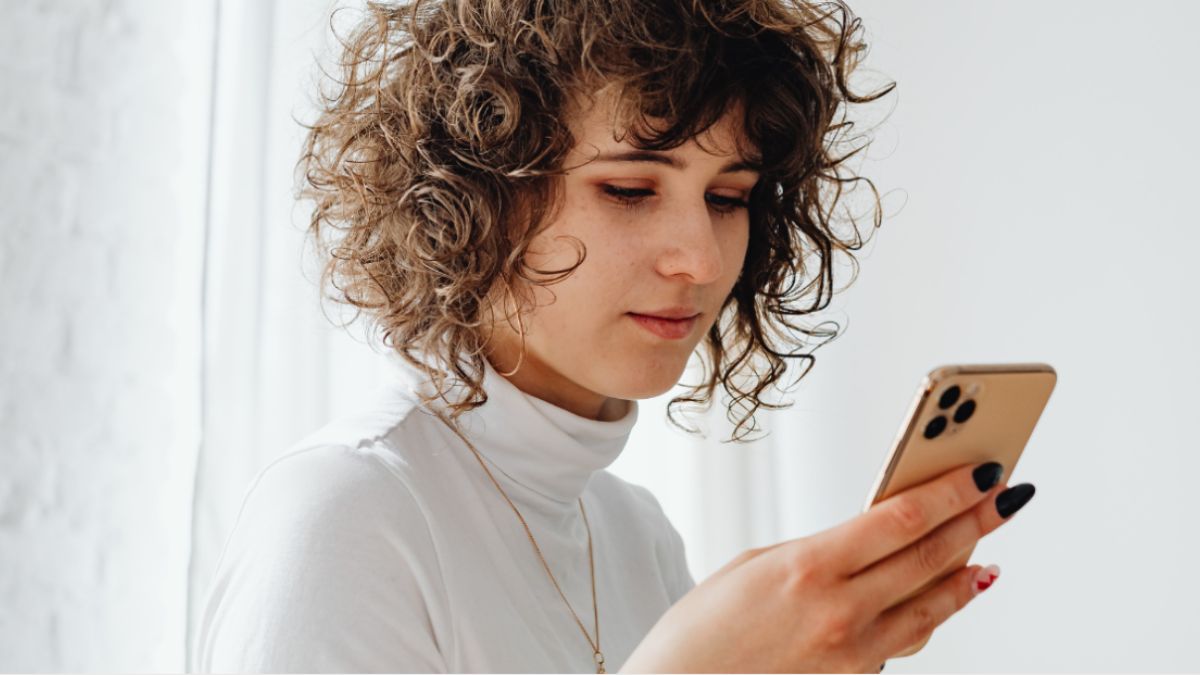
Picture yourself endlessly scrolling through your social media feeds, soaking up trends, news, and opinions without ever hitting “post” or “like.” Far from being disengaged, this choice reflects a calculated strategy rooted in psychology. Social media lurkers prioritize information intake over the performative demands of online sharing, leading to greater mental clarity and efficiency in a noisy digital landscape.
While many users chase likes and comments, lurkers quietly reap the rewards of curated content. This deliberate opt-out challenges the narrative that activity equals engagement. In this post, we’ll explore the science, benefits, and practical ways to embrace lurking for optimal digital wellness.

The Silent Majority: Who Are Social Media Lurkers?
Did you know that roughly 90% of social media users are lurkers? Studies from institutions like Northeastern University confirm this trend, showing most people consume content without visible interaction.
These individuals aren’t inactive; they actively shape platform algorithms through views and time spent. Unlike vocal posters, lurkers influence trends from the shadows, driving what content gains visibility.
Why Lurkers Dominate the Platforms
Lurking appeals to those seeking value without vulnerability. Professionals on sites like LinkedIn use it to gather industry insights minus the pressure of personal branding.
This behavior saves time and emotional energy. Lurkers access diverse perspectives, from global news to niche expertise, all without crafting responses.
- 90% statistic: Highlights the scale of silent users.
- Invisible impact: Views fuel algorithms and trends.
- Practical edge: Networking and learning without exposure.
The Psychology of Online Performance and Why It Exhausts
Sociologist Erving Goffman’s theory of impression management frames social media as a stage. Users perform curated versions of themselves, editing posts for maximum appeal.
This constant self-presentation demands cognitive effort. Research shows it leads to emotional fatigue, as every share risks misinterpretation or backlash.
The Drain of Daily Posting
Daily posters often seek validation through engagement metrics. Monitoring likes and replies creates a cycle of anxiety, pulling focus from real-life priorities.
Lurkers escape this trap. They observe authentically, free from the need to maintain a flawless digital facade.
Algorithms amplify the issue by favoring sensational content. Posters compete in this arena, while lurkers cherry-pick quality without the contest.
Debunking the Myth of Harmful Passive Use
Not all lurking harms mental health. While some studies link mindless scrolling to social comparison and FOMO, context matters greatly.
A University of Texas report noted mood dips from compulsive viewing. However, a 2024 Frontiers in Psychology analysis distinguishes intentional lurking as beneficial.
Healthy vs. Unhealthy Lurking
Unhealthy lurking involves envy-fueled binges late at night. Healthy versions focus on purposeful consumption, like tracking career advice or current events.
Intentional lurkers report lower stress and higher satisfaction. They treat platforms as libraries, not popularity contests.
- Risky habits: Endless comparison scrolls.
- Strategic approach: Goal-oriented browsing.
- Key results: Less fatigue, enhanced privacy.
A Personal Shift: Life After Quitting Posts
I once posted regularly on Twitter and LinkedIn, crafting updates for impact. But the obsession with reactions eroded my focus and spiked anxiety.
Switching to pure lurking changed everything. My feeds became streamlined sources of inspiration, from thought leaders to emerging trends.
Productivity soared as I noted ideas privately. No more second-guessing every word— just pure absorption and application.
Science Supports the Lurking Advantage
Research from JAMA Network Open demonstrates clear wins from reducing social media activity. A one-week break cut anxiety by 16% and depression by 24% after three weeks.
Lurking extends these gains by maintaining access without overload. It aligns with digital minimalism, emphasizing quality over quantity.
Experts note that silent observers often develop deeper insights. Free from echo chambers of self-promotion, they engage with raw information.
Strategic Benefits of Choosing Silence Online
Cultural bias favors visible influencers, labeling lurkers as passive. Yet, many high-achievers lurk to preserve authenticity and energy.
This choice guards against context collapse, where personal shares blur professional boundaries. Privacy remains intact amid data-hungry platforms.
- Energy conservation: Skip curation and response monitoring.
- Privacy shield: Stay under the radar.
- Info efficiency: Direct access to valuable content.
Rebelling Against the Noise
In an era of algorithm-fueled addiction, lurking is empowerment. It reclaims social media as a tool for growth, not validation.
Non-posters in my network prove this: thoughtful, informed, and unburdened by online personas.
How to Master Intentional Lurking Habits
Start by auditing your feeds. Follow accounts delivering real value—experts, news outlets—and unfollow drama sources.
Use built-in timers to cap sessions at 20-30 minutes. This prevents drift into unproductive scrolling.
Journal post-session: Did you gain insights? Feel energized? Adjust based on mood tracking for sustained benefits.
Experiment with a no-post challenge. Many discover sharper focus and reduced FOMO within days.
Embracing Lurking for Lasting Digital Wellness
Social media lurkers embody a smarter path forward. Backed by psychology, their choice sidesteps performance pitfalls while securing essential information.
This isn’t withdrawal—it’s optimization. In a world demanding constant visibility, silence offers freedom and clarity.
Reclaim your online experience today. Opt out of the show, tune into the substance, and watch your well-being flourish. Your mental space will thank you.