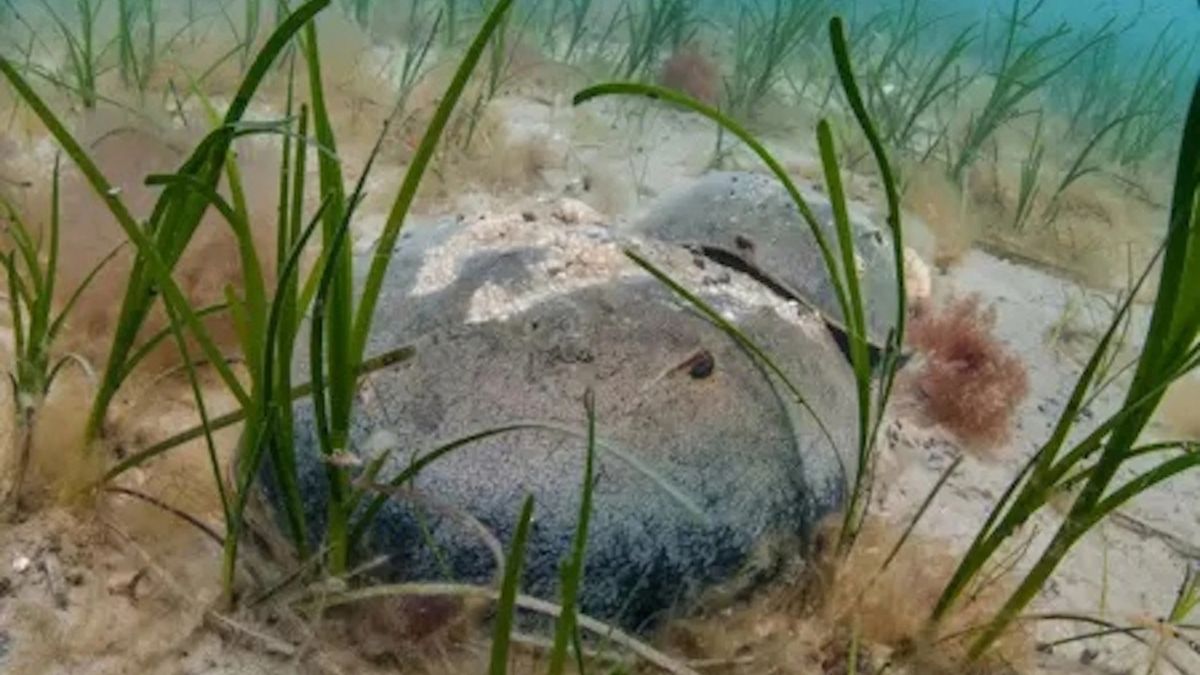
On the stunning shores of Cape Cod National Seashore, a groundbreaking conservation story is captivating scientists and nature lovers alike. After nearly vanishing from a vital lagoon, the horseshoe crab—a remarkable 445-million-year-old species known as a living fossil—is making a triumphant return. This resilient creature, which has survived countless extinctions, now thrives again thanks to dedicated restoration work, offering hope for national park conservation worldwide.
These ancient arthropods are more than relics; they anchor coastal food chains and signal ecosystem vitality. Their comeback in East Harbor showcases how human ingenuity can reverse environmental damage, restoring balance to delicate salt marshes.


The Enduring History of Horseshoe Crabs
Horseshoe crabs predate dinosaurs by hundreds of millions of years. Evolving around 445 million years ago, they’ve endured ice ages, asteroid impacts, and shifting seas with minimal changes to their form.
Dubbed living fossils, they resemble their prehistoric ancestors closely. This stability highlights their perfect adaptation to intertidal zones, where they scuttle ashore under full moons to spawn.
Why They Earn the “Living Fossil” Title
Their anatomy—hard carapace, multiple legs, and long tail spine—has barely evolved. Fossil records confirm this ancient design works flawlessly in modern oceans.
Today, four species persist globally, with the Atlantic variety central to U.S. East Coast ecosystems. Their persistence underscores nature’s resilience amid change.
The Human-Induced Decline in East Harbor
By the early 2000s, horseshoe crabs had vanished from East Harbor, a tranquil salt marsh lagoon in Cape Cod National Seashore, Massachusetts. This wasn’t due to predators or disease but a 1868 dike that blocked ocean tides.
The structure prevented seawater influx, slashing salinity levels critical for crab reproduction. Over decades, the habitat turned brackish, unsuitable for these marine-loving living fossils.
The fallout extended beyond crabs. Salt marsh grasses withered, shellfish dwindled, and migratory birds arrived to barren beaches, starving without nutrient-rich eggs.
- Altered salinity destroyed breeding sites.
- Food scarcity hit shorebirds like red knots.
- Biodiversity crashed, weakening the entire ecosystem.
This case study reveals how infrastructure, even from well-meaning eras, can devastate ancient species dependent on precise conditions.
Turning the Tide: The 2008 Restoration Initiative
In 2008, the National Park Service and local experts breached the dike, reconnecting East Harbor to tidal flows. Seawater rushed back, recreating the salty haven crabs need.
Results were swift and striking. Within years, native plants like cordgrass exploded in growth, shellfish beds reformed, and horseshoe crabs recolonized en masse.
Today, thousands spawn annually, with many individuals now over a decade old. This proves the site as a self-sustaining nursery, not a temporary refuge.
Critical Steps in the Revival Strategy
Success hinged on science-driven actions and collaboration. Teams tracked salinity, water quality, and wildlife metrics relentlessly.
- Breached barriers for natural tides.
- Replanted salt-tolerant vegetation.
- Monitored populations with surveys and tags.
- Engaged locals for buy-in and stewardship.
Aquatic ecologist Sophia Fox from Cape Cod National Seashore describes it as their “happy story.” It exemplifies how targeted interventions revive national park treasures.
Ecological Wins and Coastal Resilience
The horseshoe crab resurgence revitalizes East Harbor‘s web of life. Eggs fuel migrating shorebirds, aiding species like red knots facing worldwide declines.
Healthier marshes now absorb storm surges, protecting inland areas from erosion and flooding. This is vital as climate change amps up sea levels and hurricanes.
Commercial fisheries benefit too, with rebounding clams and oysters supporting local economies. The crabs act as ecosystem engineers, fostering biodiversity hotspots.
- Storm buffering enhances shoreline defenses.
- Bird populations stabilize with egg feasts.
- Fisheries and tourism gain from vibrant habitats.
Lessons for Global Conservation
East Harbor mirrors triumphs elsewhere, like sei whale recoveries off Argentina or Irrawaddy dolphins in Cambodia. Each proves habitat fixes work wonders.
Key takeaways include science-led monitoring, community roles, and adaptive management. These strategies scale to other national parks battling human legacies.
Visitors now share viral clips of spawning crabs, calling them magical. Rescuing a stranded crab and watching it return to waves creates lasting bonds with nature.
Beyond Ecology: Horseshoe Crabs’ Modern Value
Horseshoe crabs offer biomedical gold—their copper-based blue blood detects toxins in drugs and devices via Limulus Amebocyte Lysate testing. Sustainable stocks ensure this vital tool persists.
In Cape Cod, they boost eco-tourism, luring photographers and educators to witness spawning spectacles. Programs teach coastal stewardship, inspiring protection pledges.
Threats like pollution, warming waters, and bait harvesting linger. Yet ongoing National Park Service vigilance adapts to secure their future.
A Blueprint for Hope in National Parks
This quiet victory in Cape Cod National Seashore reminds us healing harmed habitats is possible. By mending tidal flows, we’ve handed a 445-million-year-old species new life.
It calls for action: advocate for parks, curb coastal pollution, and value these irreplaceable moments. Horseshoe crabs thriving in East Harbor enrich us all, buffering coasts and feeding chains for generations.
As Sophia Fox’s “happy story” inspires, let’s amplify such efforts globally. These living fossils deserve to endure, symbols of restoration’s power.